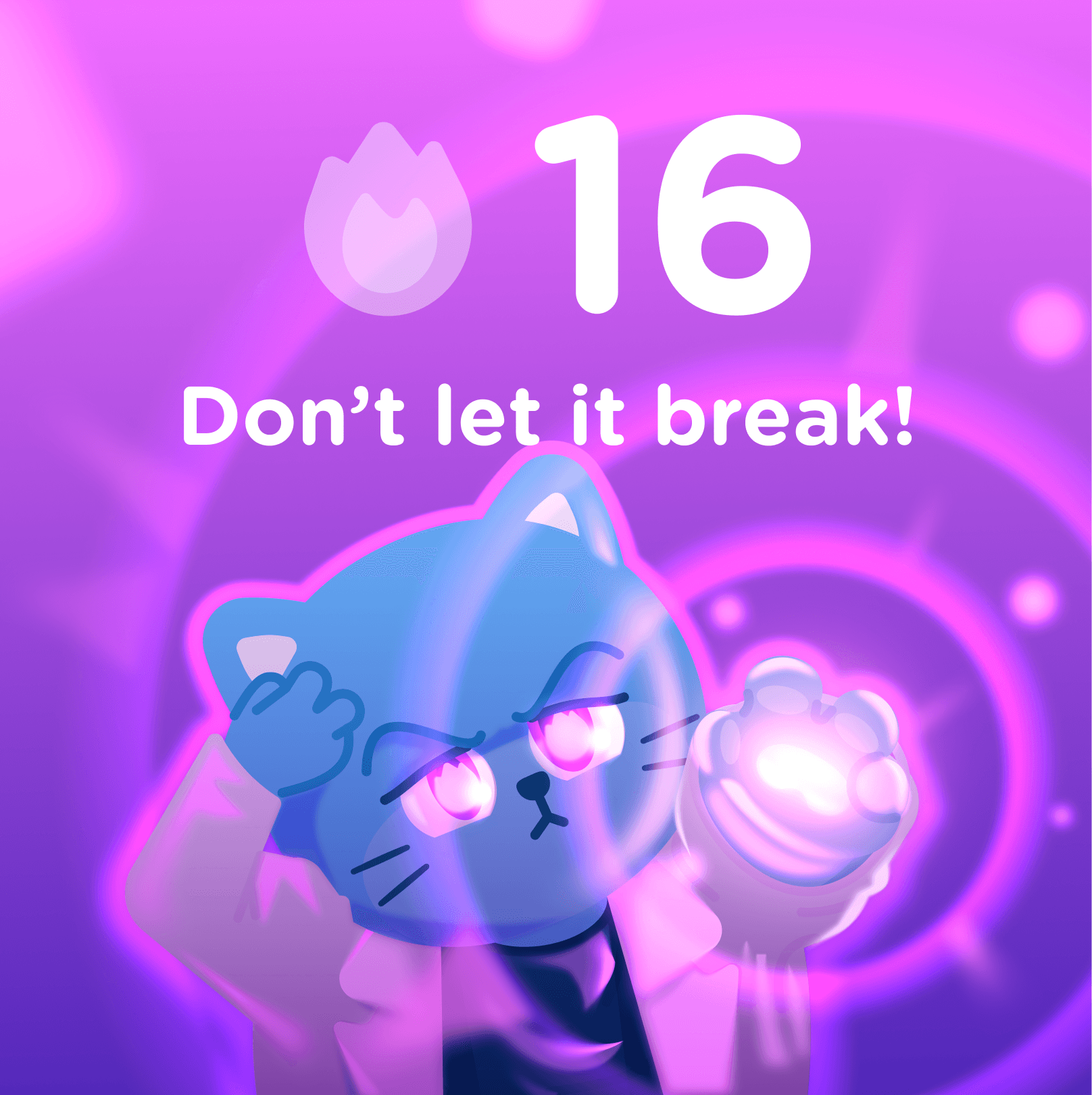
Reimagining Widgets as High-Intent Engagement Triggers
The existing widget designs were already functional and familiar, successfully reminding users about their daily learning habits. However, from a product strategy standpoint, we identified an opportunity to make them work harder. The core insight was that reminders alone were not enough. To drive higher lesson completion, the widgets needed to communicate urgency, progress, and emotional pull within a very small visual footprint.
Designing for Urgency at a Glance
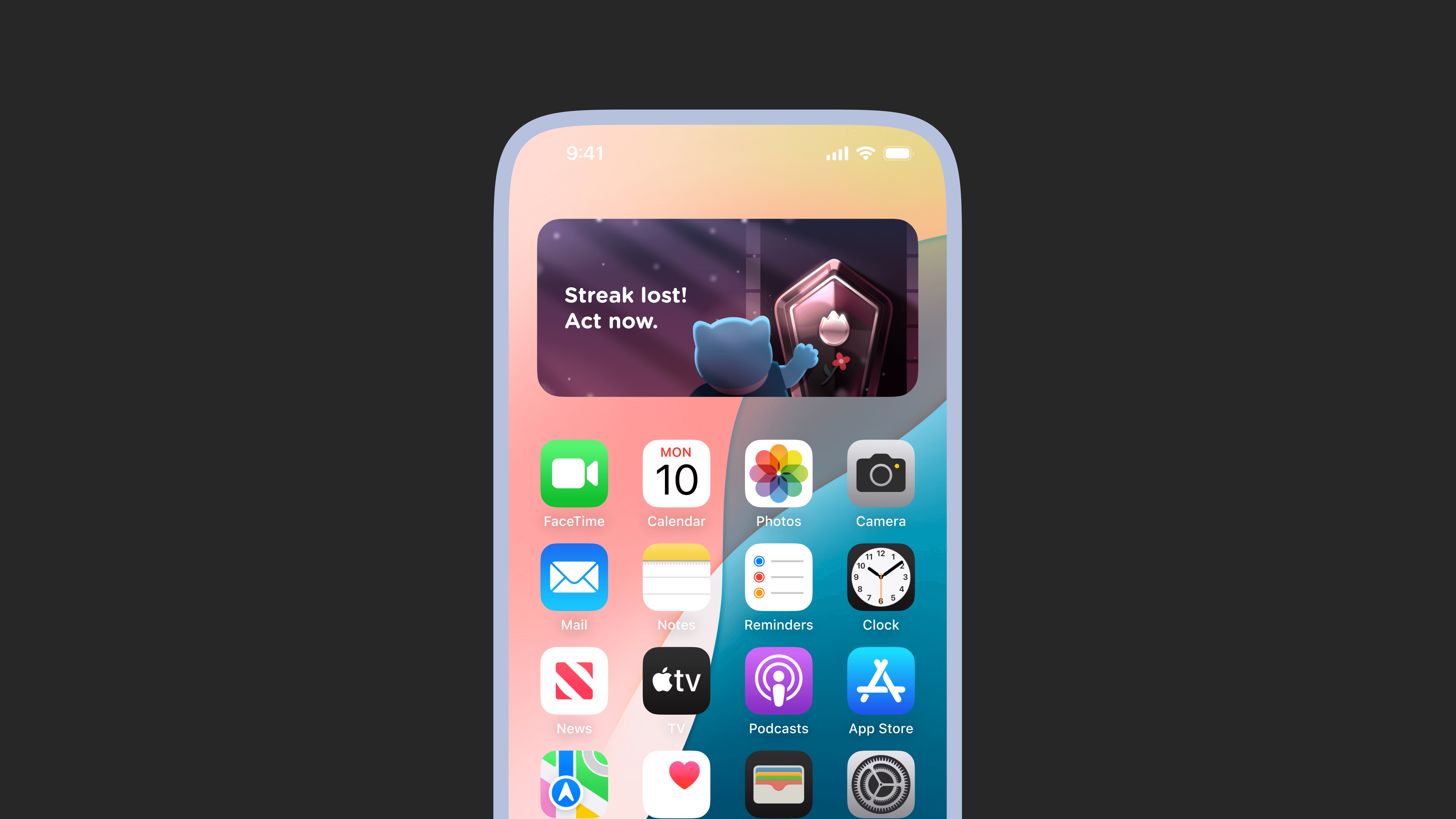
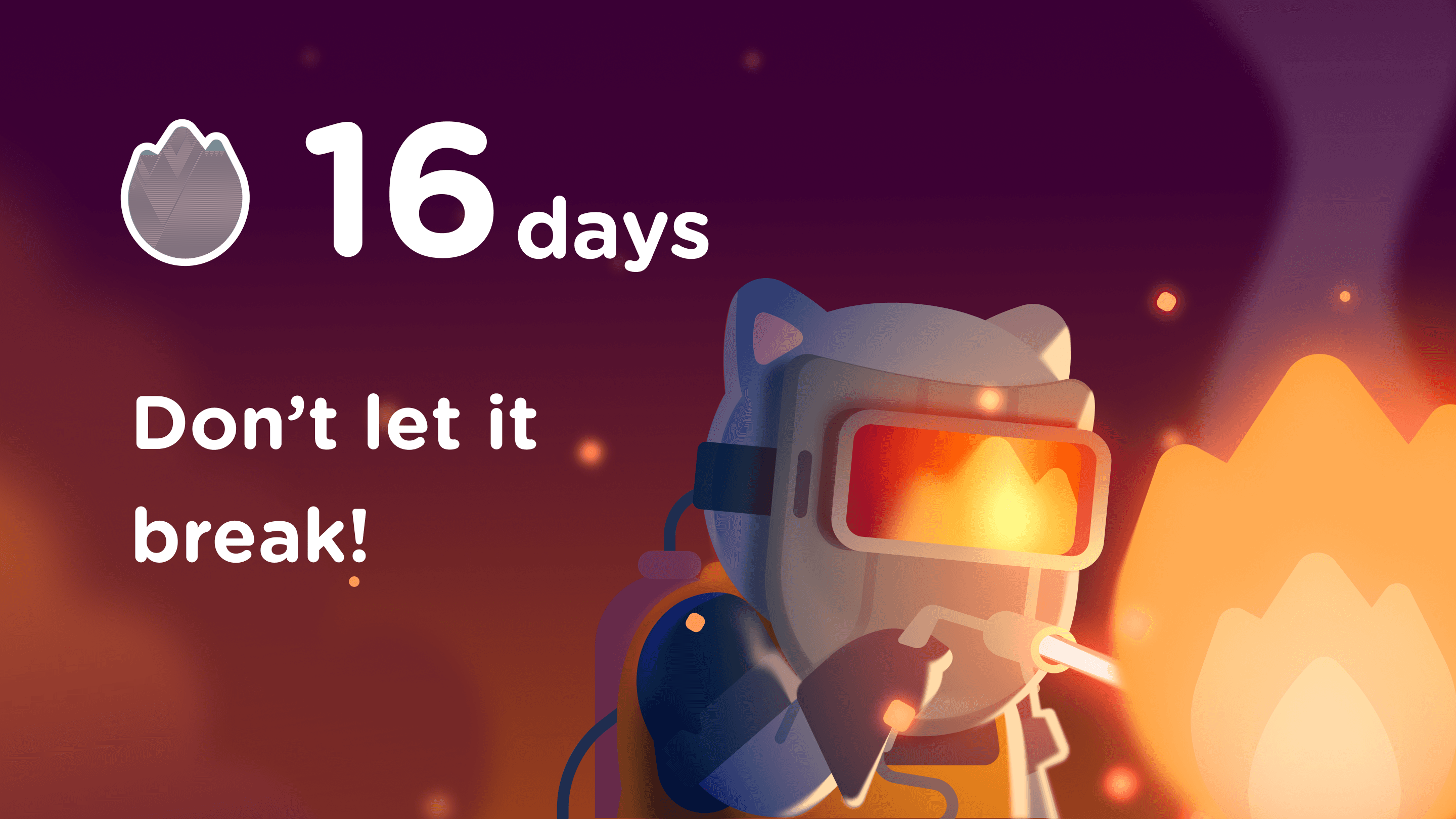
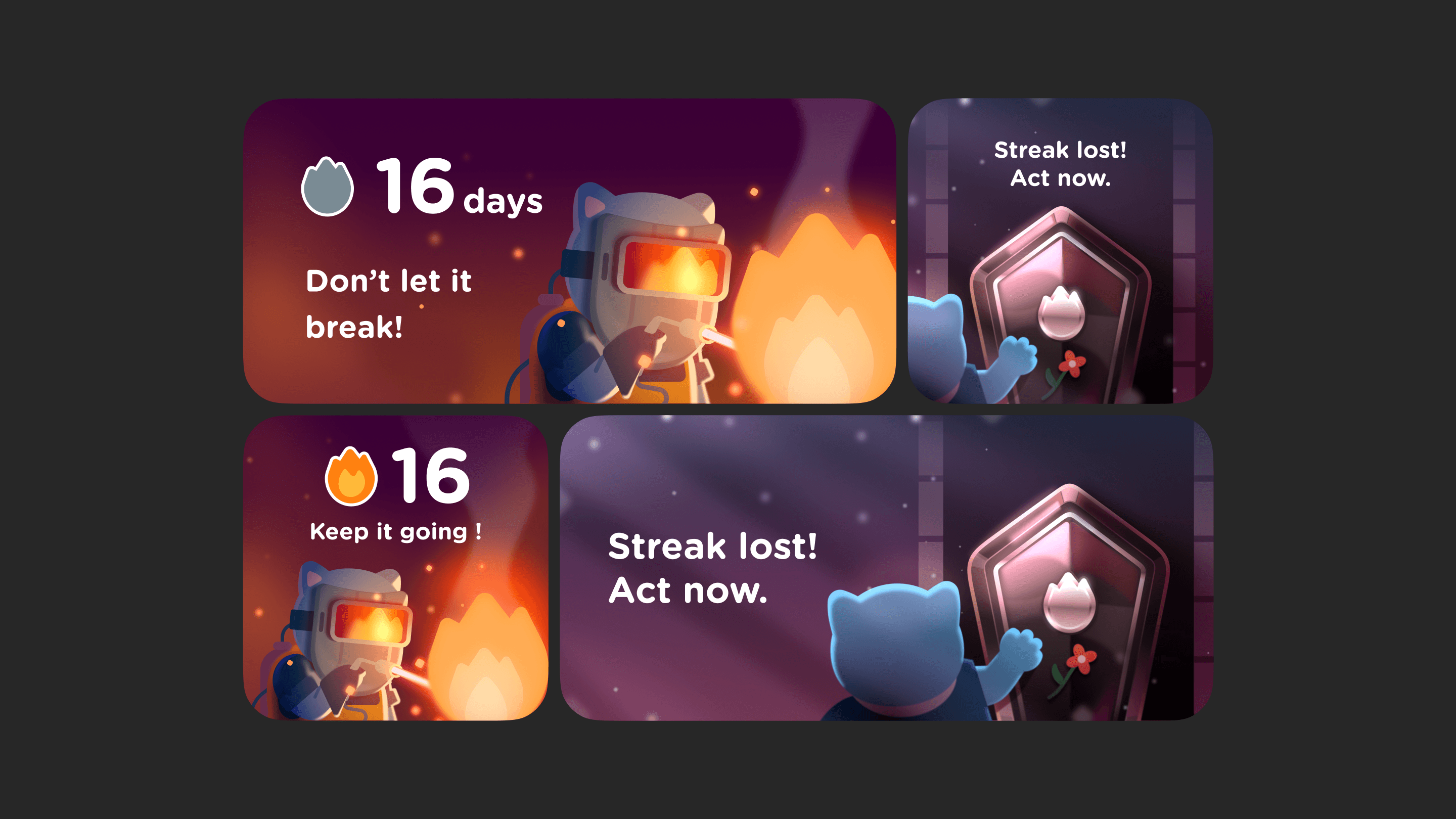
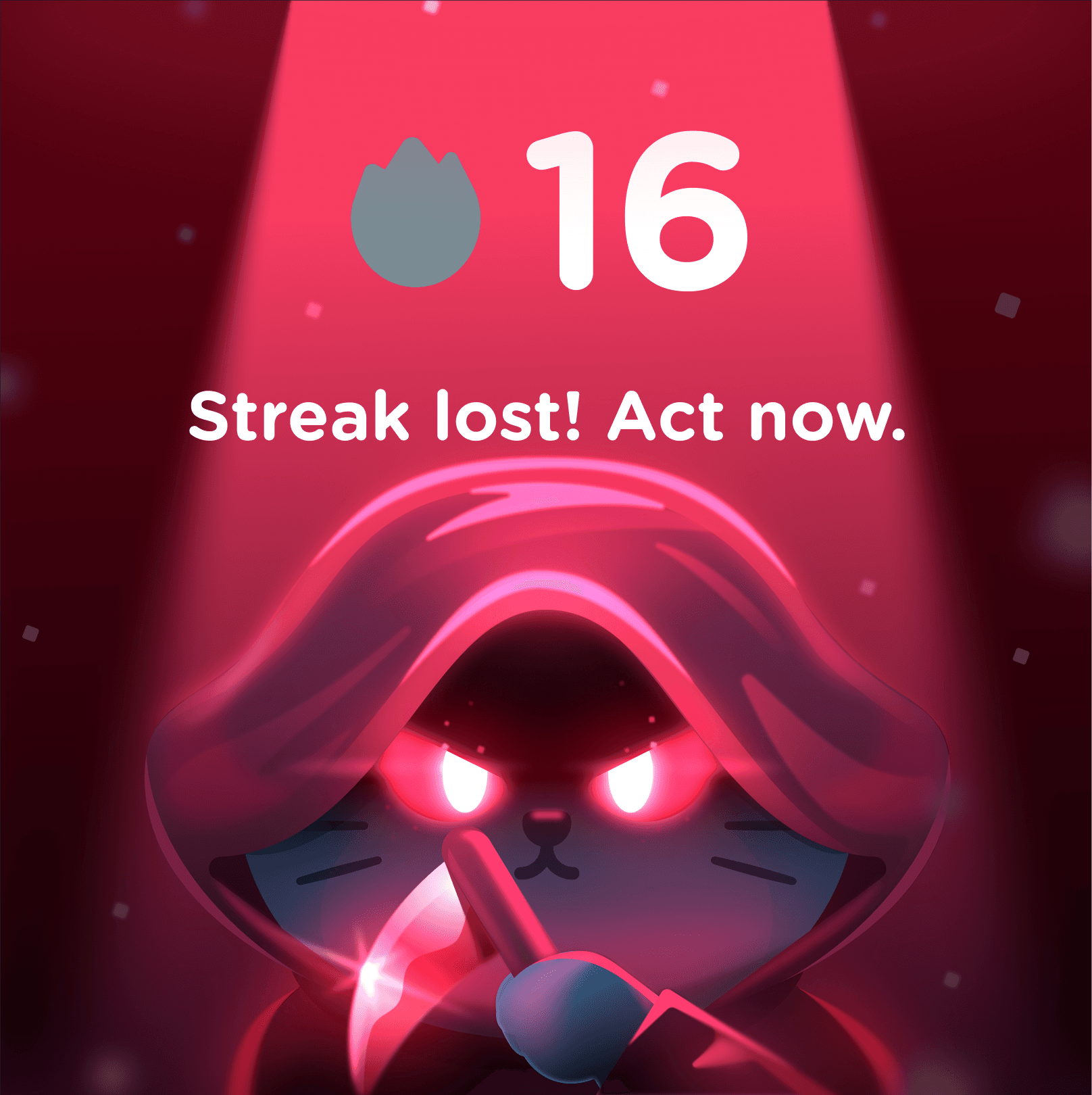
I redesigned the widgets to be more visually assertive and time-sensitive, using stronger visual hierarchy, bolder color contrast, and clearer progress cues. Each widget was designed to answer a single question at a glance: “Why should I open the app right now?” Subtle motion cues, tighter copy, and progress-driven visuals helped reinforce the feeling that a lesson was already in motion and waiting to be completed.
Context-Aware UX, Not Noise
From a UX perspective, the widgets were optimized for quick recognition and minimal cognitive load. States were mapped to user context such as unfinished lessons, streak risk, or expiring boosts, ensuring relevance without overwhelming the user. This balance preserved trust while still introducing a healthy sense of urgency.
Extending the Core Product Loop
Strategically, the redesigned widgets became an active extension of Airlearn’s learning loop rather than a passive reminder. By pairing behavioral triggers with stronger visual storytelling, the widgets directly contributed to improved re-engagement and lesson completion, supporting long-term retention without relying on aggressive notification tactics.